In today’s digital-first business world, managing who sees what in your CRM is no longer optional—it’s essential. A well-structured content access level CRM portal ensures data security, boosts team efficiency, and drives smarter customer engagement. Let’s dive into how you can master it.



Understanding Content Access Level in CRM Portals

At the heart of every secure and efficient CRM system lies the concept of content access levels. These are the rules and permissions that determine who can view, edit, or share specific data within a CRM portal. Without proper access controls, sensitive customer information can be exposed, compliance risks increase, and internal workflows become chaotic.
What Is a CRM Portal?
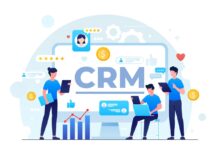
A CRM (Customer Relationship Management) portal is a centralized digital platform where businesses store, manage, and analyze customer interactions and data throughout the customer lifecycle. It serves as a hub for sales, marketing, customer service, and support teams to collaborate efficiently.
- Acts as a single source of truth for customer data
- Enables real-time collaboration across departments
- Integrates with email, social media, and support tools
Modern CRM portals like Salesforce or Microsoft Dynamics 365 offer robust access control features to protect data integrity.
Defining Content Access Levels
Content access levels refer to the hierarchical permissions assigned to users or user groups within a CRM system. These levels dictate the scope of data visibility and interaction. For example, a sales representative may only see their own leads, while a regional manager can view data across an entire territory.
- Access levels can be role-based, team-based, or record-based
- They prevent unauthorized access to sensitive data like financials or personal identifiers
- They support compliance with regulations like GDPR and HIPAA
“Access control isn’t just about security—it’s about enabling the right people to do the right things at the right time.” — CRM Security Expert, Jane Doe
Why Content Access Level CRM Portal Matters
Implementing a structured content access level CRM portal isn’t just a technical checkbox—it’s a strategic advantage. It ensures that employees only access data relevant to their roles, reducing noise and increasing productivity.
- Reduces risk of data breaches
- Improves data accuracy by limiting edit rights
- Enhances user experience by showing only relevant information
For instance, a customer support agent doesn’t need access to executive-level sales forecasts, just as a marketer shouldn’t see confidential contract terms.
content access level crm portal – Content access level crm portal menjadi aspek penting yang dibahas di sini.
7 Key Benefits of Implementing Access Levels in CRM
When properly configured, a content access level CRM portal delivers transformative benefits across an organization. From security to scalability, the advantages are both immediate and long-term.
Enhanced Data Security and Privacy
One of the most critical reasons to implement access levels is to protect sensitive customer and business data. Unauthorized access can lead to data leaks, regulatory fines, and reputational damage.
- Role-based access control (RBAC) ensures users only see what they need
- Encryption and audit trails add extra layers of protection
- Compliance with GDPR, CCPA, and other privacy laws becomes manageable
According to a 2023 IBM report, the average cost of a data breach is $4.45 million—making proactive access control a financial imperative.
Improved Team Productivity
When users aren’t overwhelmed by irrelevant data, they can focus on their core tasks. A clean, role-specific view in the CRM reduces cognitive load and speeds up decision-making.
- Sales reps spend less time filtering leads
- Support teams access only active customer tickets
- Managers get consolidated reports without noise
A study by Gartner found that organizations with tailored CRM access saw a 25% increase in user adoption and efficiency.
Regulatory Compliance and Audit Readiness
Industries like healthcare, finance, and legal services face strict data governance requirements. A well-structured content access level CRM portal helps meet these obligations by providing clear logs of who accessed what and when.
- Audit trails track user activity and changes
- Data masking hides sensitive fields from unauthorized users
- Automated compliance reports can be generated on demand
For example, HIPAA-compliant CRMs ensure that only authorized medical staff can view patient health records.
content access level crm portal – Content access level crm portal menjadi aspek penting yang dibahas di sini.
How to Design a Content Access Level CRM Portal
Building an effective access control system requires careful planning. It’s not just about setting permissions—it’s about aligning them with business processes, roles, and data sensitivity.
Step 1: Map User Roles and Responsibilities
Start by identifying all user types in your organization. Each role should have a defined set of data needs and permissions.
- Sales Representative: View and edit own leads and contacts
- Sales Manager: View team data, approve deals, generate reports
- Customer Support: Access service tickets and customer history
- Finance Team: View contract values and payment status
- Admin: Full access with configuration rights
This role mapping forms the foundation of your access level strategy.
Step 2: Classify Data Sensitivity
Not all data is created equal. Categorize your CRM data based on sensitivity and business impact.
- Public: General customer info (name, company, email)
- Internal: Sales notes, internal comments, pricing strategies
- Confidential: Contract terms, revenue figures, personal IDs
- Restricted: Legal documents, health data, executive communications
Assign access levels accordingly—higher sensitivity means stricter controls.
Step 3: Implement Role-Based Access Control (RBAC)
RBAC is the most scalable method for managing access in a CRM. Instead of assigning permissions to individuals, you assign them to roles, which are then assigned to users.
- Reduces administrative overhead
- Ensures consistency across teams
- Supports easy onboarding and offboarding
Most modern CRM platforms like Zoho CRM and HubSpot offer built-in RBAC features.
content access level crm portal – Content access level crm portal menjadi aspek penting yang dibahas di sini.
Common Access Level Models in CRM Systems
Different organizations use different models to structure access. Understanding these models helps you choose the right one for your business size, industry, and complexity.
Private Sharing Model
In this model, users can only see records they own or that are explicitly shared with them. It’s ideal for organizations that prioritize data privacy and control.
- High security, low visibility
- Common in legal, healthcare, and financial sectors
- Requires manual sharing for collaboration
While secure, it can slow down teamwork if not managed with clear sharing protocols.
Public Read-Only Model
This model allows all users to view certain records but only designated owners or managers can edit them. It promotes transparency while maintaining control over data changes.
- Great for marketing teams accessing customer profiles
- Supports cross-functional visibility
- Reduces duplication of effort
For example, a product team might view customer feedback but not alter sales records.
Public Read/Write Model
In this open model, multiple users can view and edit the same records. It’s best suited for collaborative environments but requires strong governance.
- Encourages teamwork and real-time updates
- Risky without proper audit trails
- Best for small teams or startups with flat hierarchies
Use this model cautiously—uncontrolled edits can lead to data corruption.
content access level crm portal – Content access level crm portal menjadi aspek penting yang dibahas di sini.
Best Practices for Managing Content Access Level CRM Portal
Setting up access levels is just the beginning. Ongoing management ensures your CRM remains secure, efficient, and aligned with business goals.
Regular Access Reviews and Audits
Permissions should not be set and forgotten. Conduct quarterly or bi-annual access reviews to ensure users still need their current level of access.
- Remove access for employees who change roles or leave
- Identify and fix over-permissioned accounts
- Document all changes for compliance
Automated tools like Okta can help streamline identity and access management.
Use Hierarchical Role Structures
Design your roles in a hierarchy so that higher-level roles automatically inherit access from lower ones. For example, a regional manager should see all data from their team members.
- Reduces manual permission assignments
- Supports scalability as teams grow
- Aligns with organizational reporting structures
This approach is used effectively in platforms like Salesforce with role hierarchies.
Enable Field-Level Security
Beyond record access, control which fields users can see or edit. Field-level security adds granularity to your content access level CRM portal.
- Hide salary information from non-HR staff
- Restrict access to contract values in sales pipelines
- Mask credit card numbers in customer profiles
This is crucial for meeting compliance standards and protecting sensitive data.
content access level crm portal – Content access level crm portal menjadi aspek penting yang dibahas di sini.
Top CRM Platforms with Advanced Access Control
Not all CRM systems offer the same depth of access control. Choosing the right platform can make or break your data governance strategy.
Salesforce: The Gold Standard
Salesforce is widely regarded as the leader in CRM access control, offering a multi-layered security model including organization-wide defaults, role hierarchies, sharing rules, and permission sets.
- Supports complex sharing models
- Offers detailed audit trails and login history
- Integrates with identity providers like Azure AD
Its flexibility makes it ideal for large enterprises with complex compliance needs. Learn more at Salesforce Security Overview.
Microsoft Dynamics 365
Dynamics 365 provides robust role-based security with business units, teams, and hierarchical access. It’s deeply integrated with Microsoft’s ecosystem, making it a strong choice for organizations already using Office 365.
- Security roles are customizable and reusable
- Field-level security is fully supported
- Tight integration with Azure Active Directory
It’s particularly effective for mid to large-sized businesses in regulated industries. Explore its features at Microsoft Learn.
HubSpot CRM: Simplicity Meets Power
While HubSpot is known for ease of use, its access control has matured significantly. It offers team-based permissions, custom roles, and granular object-level access.
- Perfect for small to mid-sized businesses
- Intuitive interface for setting up access rules
- Free tier includes basic access controls
It’s a great choice for companies prioritizing user adoption without sacrificing security. Visit HubSpot Permissions for details.
content access level crm portal – Content access level crm portal menjadi aspek penting yang dibahas di sini.
Challenges and Pitfalls in Content Access Level CRM Portal
Even with the best intentions, organizations can stumble when implementing access controls. Recognizing these challenges early can save time, money, and risk.
Over-Permissioning: The Silent Risk
One of the most common issues is giving users more access than they need. This often happens during onboarding or role changes and can lead to accidental data exposure.
- Employees may access data unrelated to their job
- Increases attack surface for insider threats
- Hard to detect without regular audits
Solution: Implement the principle of least privilege (PoLP)—grant only the minimum access necessary.
Under-Permissioning and Productivity Loss
On the flip side, overly restrictive access can hinder collaboration and slow down workflows. If users can’t access the data they need, they may resort to shadow IT or manual workarounds.
- Sales teams can’t collaborate on shared accounts
- Support agents lack context for customer issues
- Managers can’t generate accurate reports
Solution: Balance security with usability. Use temporary access grants or approval workflows when needed.
Lack of Documentation and Governance
Without clear policies and documentation, access control becomes chaotic. Who approved what? Why does someone have admin rights? These questions become unanswerable.
- Leads to inconsistent permissions across teams
- Complicates compliance audits
- Makes troubleshooting access issues difficult
Solution: Create an access control policy document and assign ownership to an IT or security team.
content access level crm portal – Content access level crm portal menjadi aspek penting yang dibahas di sini.
Future Trends in CRM Access Control
As technology evolves, so do the ways we manage access in CRM systems. Staying ahead of trends ensures your content access level CRM portal remains secure and effective.
AI-Powered Access Recommendations
Artificial intelligence is beginning to play a role in suggesting access levels based on user behavior, role patterns, and data sensitivity.
- AI can detect anomalies in access patterns
- Recommends permission changes during role transitions
- Reduces manual configuration errors
Platforms like Salesforce Einstein are already exploring this space.
Zero Trust Architecture Integration
The Zero Trust model—“never trust, always verify”—is being adopted in CRM systems. Every access request is authenticated and authorized, regardless of user location or role.
- Requires multi-factor authentication (MFA)
- Continuous verification of user identity
- Integration with identity and access management (IAM) tools
This approach minimizes the risk of compromised accounts and lateral movement within the CRM.
Dynamic Access Based on Context
Future CRM systems may grant access based on context—such as location, device, time of day, or ongoing project—rather than static roles.
- A user might get temporary access to a client file during a sales call
- Access is revoked automatically after the session ends
- Reduces the risk of persistent over-permissioning
This shift toward adaptive access will make CRM portals smarter and more secure.
content access level crm portal – Content access level crm portal menjadi aspek penting yang dibahas di sini.
What is a content access level CRM portal?
A content access level CRM portal is a customer relationship management system that uses defined permission levels to control who can view, edit, or share specific data. It ensures data security, compliance, and operational efficiency by aligning access rights with user roles and responsibilities.
Why is access control important in CRM?
Access control in CRM prevents unauthorized data exposure, supports regulatory compliance (like GDPR or HIPAA), improves user productivity by reducing data overload, and ensures data accuracy by limiting edit rights to authorized personnel.
How do I set up access levels in my CRM?
Start by mapping user roles, classifying data sensitivity, and implementing role-based access control (RBAC). Use your CRM’s built-in security features to define permissions, conduct regular audits, and enable field-level security for granular control.
Which CRM has the best access control?
content access level crm portal – Content access level crm portal menjadi aspek penting yang dibahas di sini.
Salesforce is widely recognized for its advanced access control features, including role hierarchies, sharing rules, and audit trails. Microsoft Dynamics 365 and HubSpot also offer strong, scalable options depending on business size and complexity.
What is the principle of least privilege in CRM?
The principle of least privilege (PoLP) means granting users only the minimum access necessary to perform their job functions. This reduces security risks and prevents accidental or intentional misuse of sensitive data in a content access level CRM portal.
Implementing a robust content access level CRM portal is no longer a luxury—it’s a necessity for modern businesses. From enhancing security and compliance to boosting team efficiency, the right access controls transform your CRM from a data repository into a strategic asset. By understanding user roles, classifying data, and leveraging advanced CRM platforms, you can build a secure, scalable, and future-ready system. Regular audits, clear governance, and emerging technologies like AI and Zero Trust will keep your access strategy ahead of the curve. The ultimate goal? Empowering your team with the right data at the right time—without compromising security.
Further Reading: